Introduction
Chettinad, a region renowned for its unique architecture, vibrant culture, and culinary heritage, spans across two districts in Tamil Nadu: Pudukottai and Sivaganga. These districts, while sharing the Chettinad identity, each possess distinct characteristics that contribute to the region's rich tapestry.
This analysis explores the demographic, cultural, and architectural differences between these two districts, highlighting how they collectively form the cultural heartland of the Chettiar community. This page draws data primarily from Chettinad Team Data, India's Census 2011 for population and literacy statistics, Tamil Nadu Tourism and Archaeological Survey of India for heritage site information, district administration websites for local economic data, and academic research from institutions like Madurai Kamaraj University and INTACH for cultural and architectural insights, with all figures cross-verified through official government portals and statistical reports.
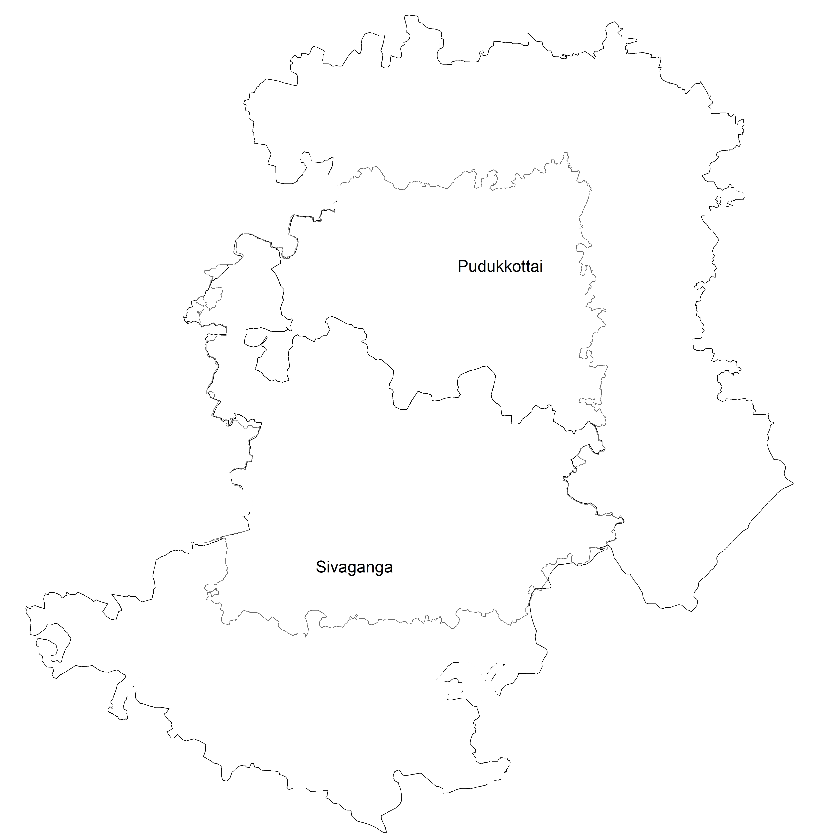
fig 3.1. Studied Districts
Pudukottai District
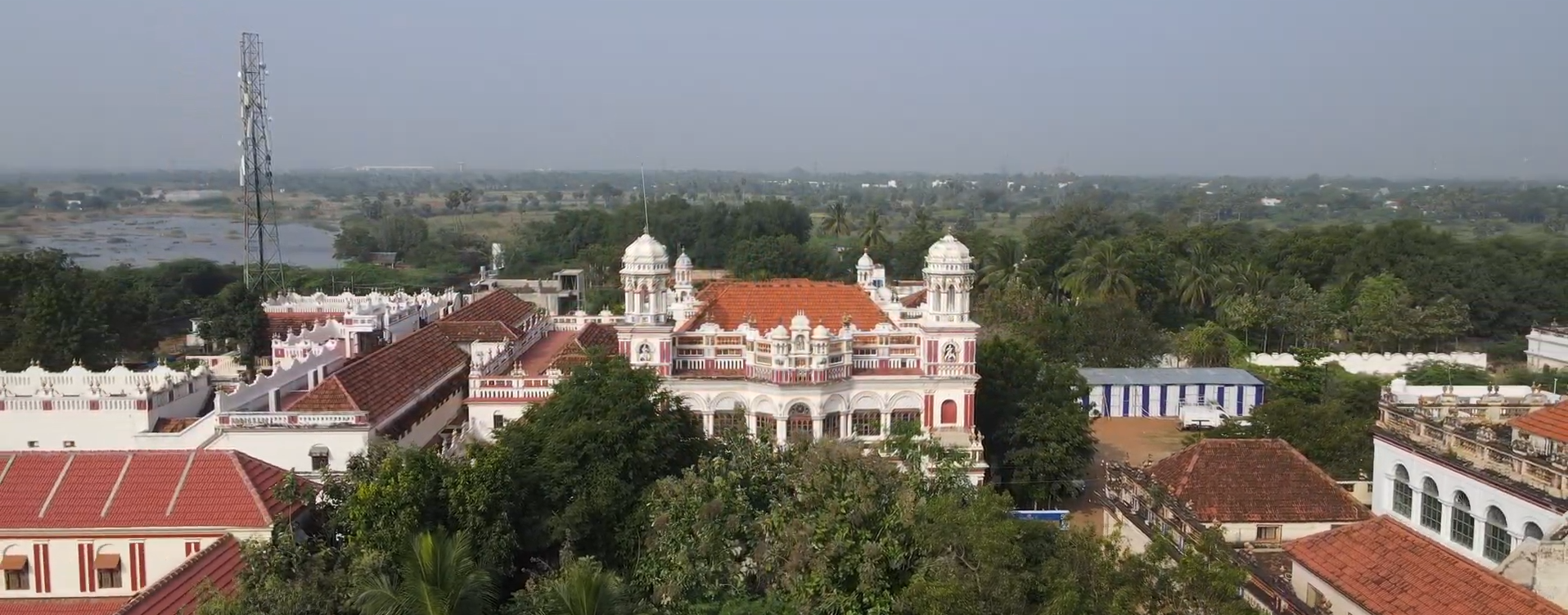
- Rich archaeological sites including rock-cut temples
- Traditional Chettinad mansion architecture
- Significant agricultural production of rice and pulses
- Famous for handloom and handicraft industries
- Home to the UNESCO World Heritage site at Thirumayam
Sivaganga District
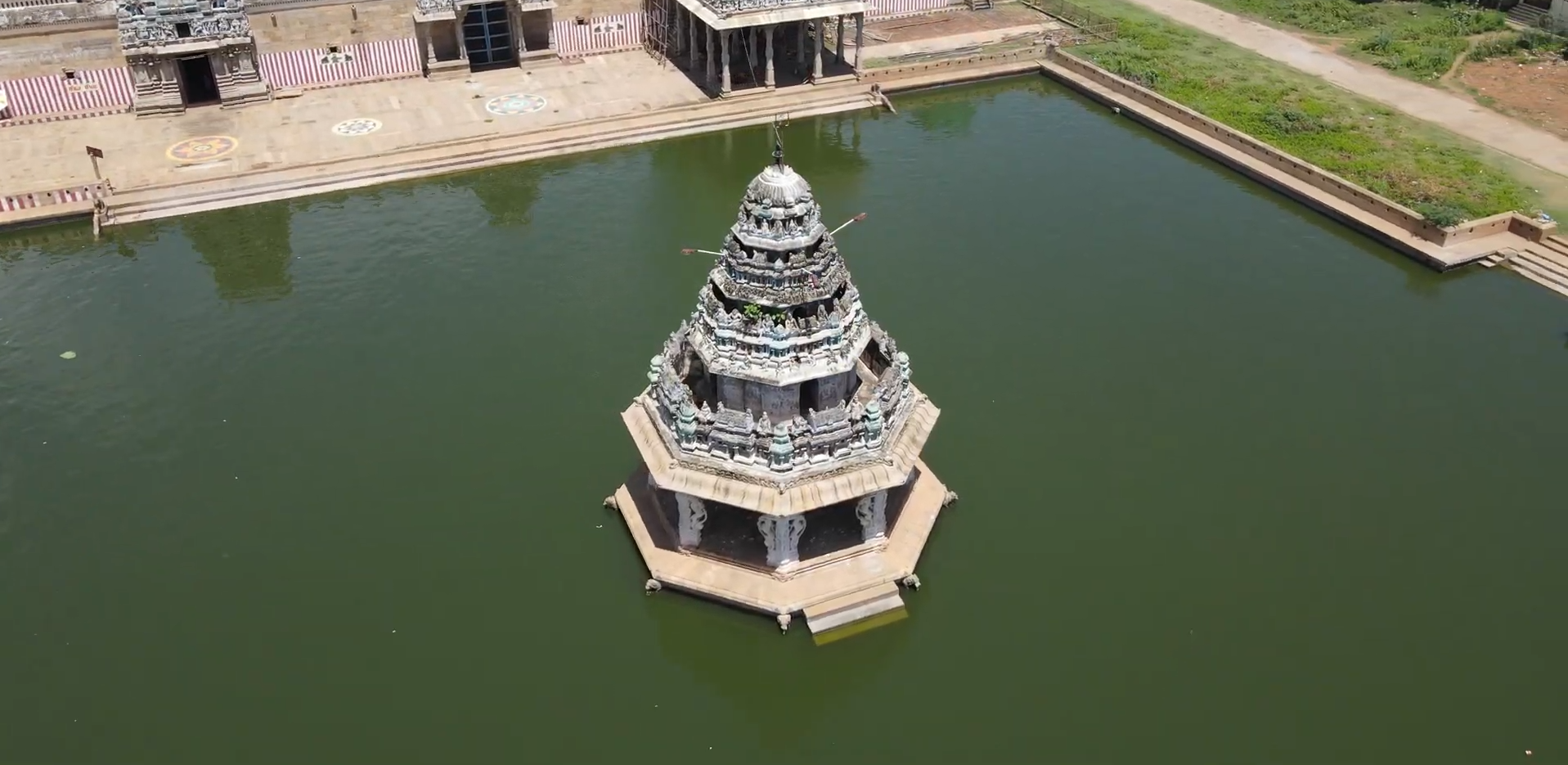
- Magnificent Chettinad mansions with elaborate woodwork
- World-famous Chettinad cuisine originated here
- Significant textile and manufacturing industries
- Rich tradition of classical music and dance
- Important trade and commerce center historically
District Comparison
Notable Heritage Sites
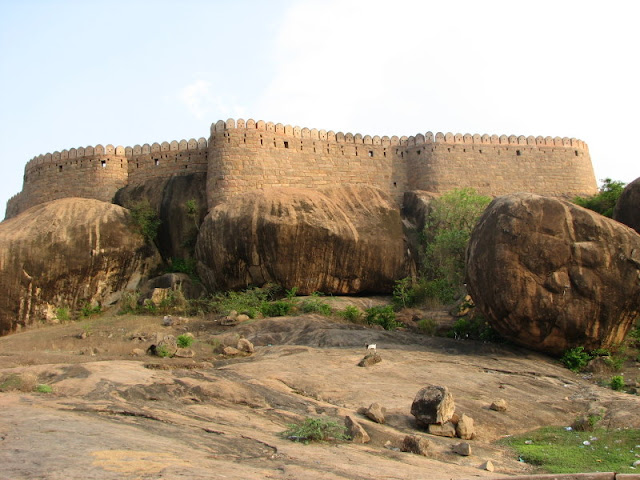
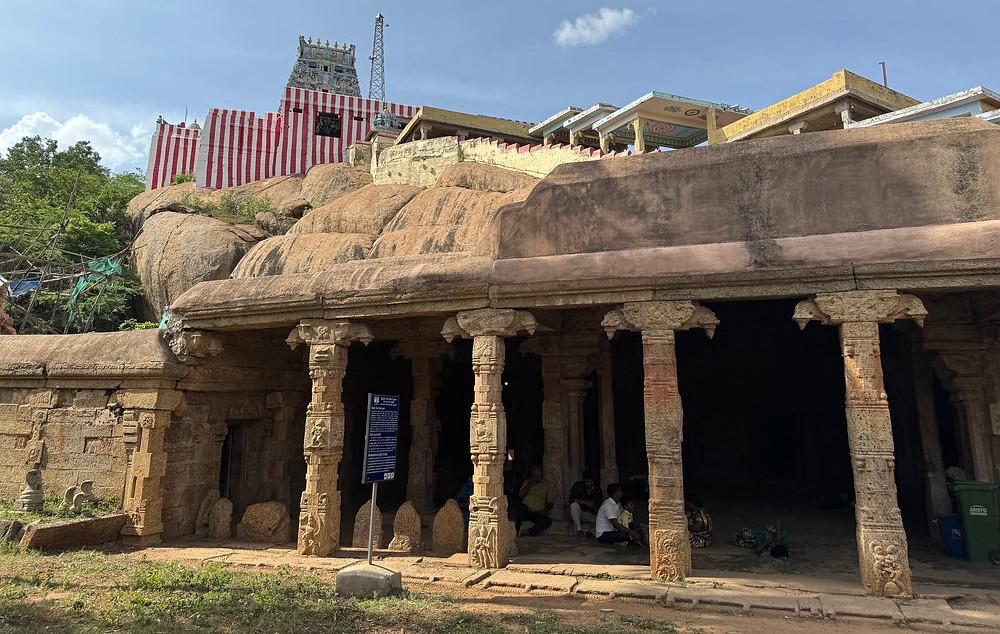
Thirumayam Fort
Pudukottai District
A 17th-century fort with a rock-cut temple and historical significance. The fort offers panoramic views of the surrounding countryside.
Kundrakudi Temple
Pudukottai District
A famous Murugan temple located on a hill, known for its architectural beauty and religious significance.
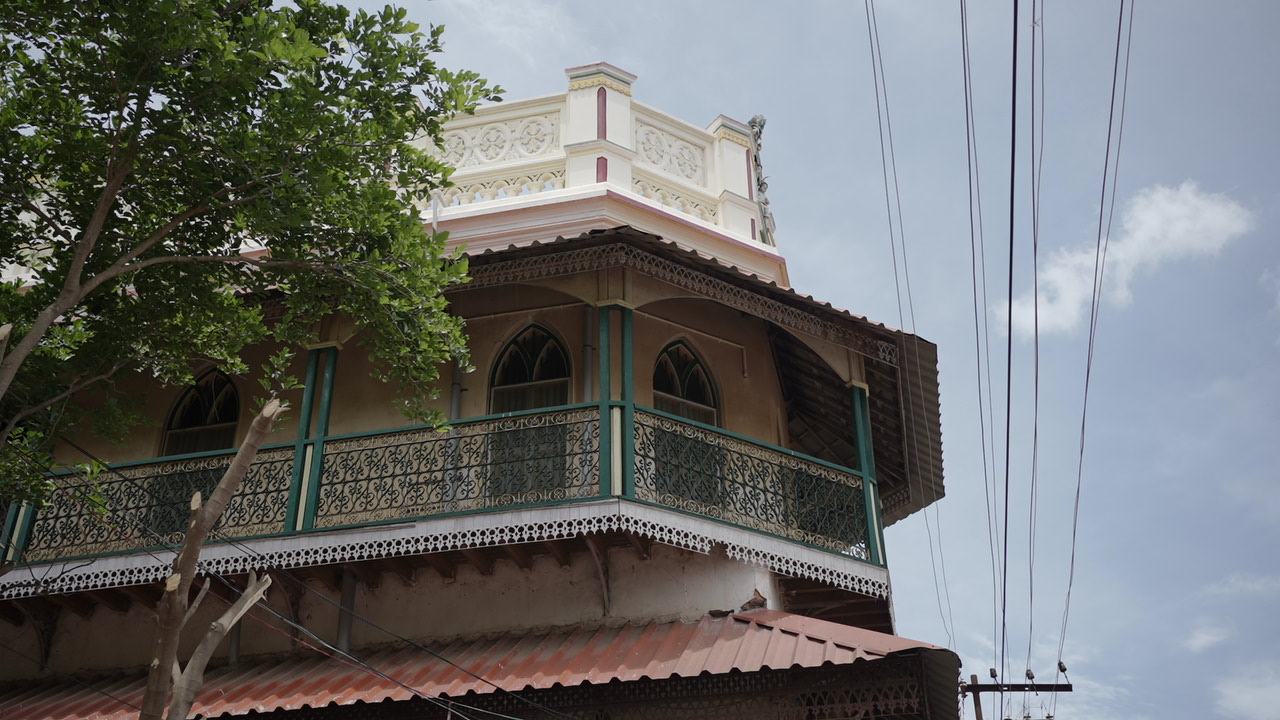
Chettinad Palace
Sivaganga District
An exquisite example of Chettinad architecture with Burmese teak, Italian marble, and elaborate woodwork.
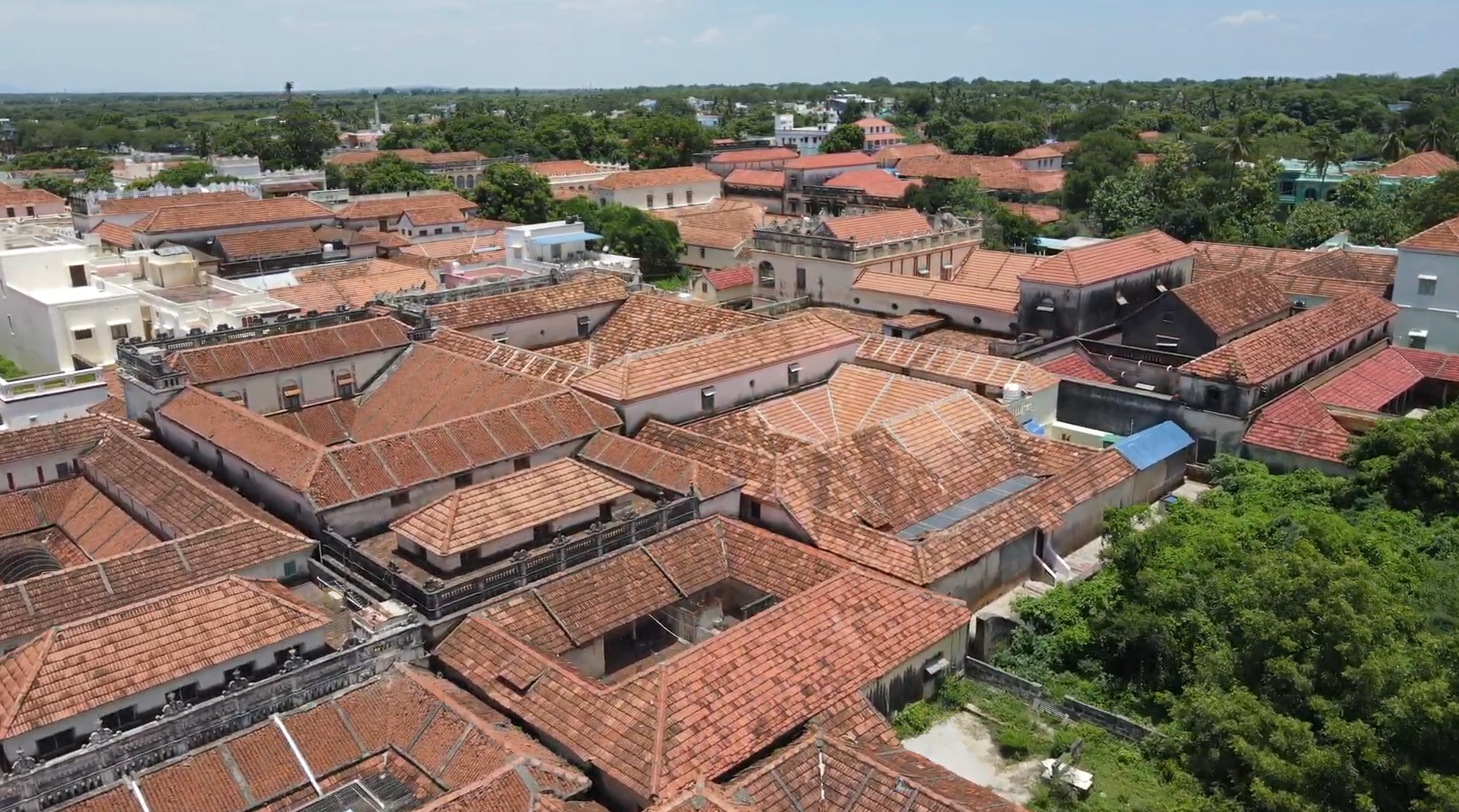
Karaikudi Heritage Zone
Sivaganga District
A preserved area with numerous traditional Chettinad mansions showcasing the region's architectural heritage.